

- PT
- EN

-
Properties
-
Sell
-
Buy
-
About us
-
News
-
Blog
-
Join the team
-
Living in Portugal
-
Contacts
-
Properties
-
Sell
-
Buy
-
About us
-
News
-
Blog
-
Join the team
-
Living in Portugal
-
Contacts
BEAUTY AND TRADITION IN THE NORTH
BEAUTY AND TRADITION IN THE NORTH
Living in Porto
Living in Porto
Porto is a unique city located in northern Portugal, famous for its historic center, port wine production, and rich cultural heritage.
Buildings, museums, theaters, and music venues are some of the cultural options that Porto has to offer.
The city is also known for its lively nightlife and delicious national cuisine, with traditional dishes such as Chanfana or Francesinha.
An authentic city, traditional, emanating Portugueseness and applying the art of hospitality like no other.
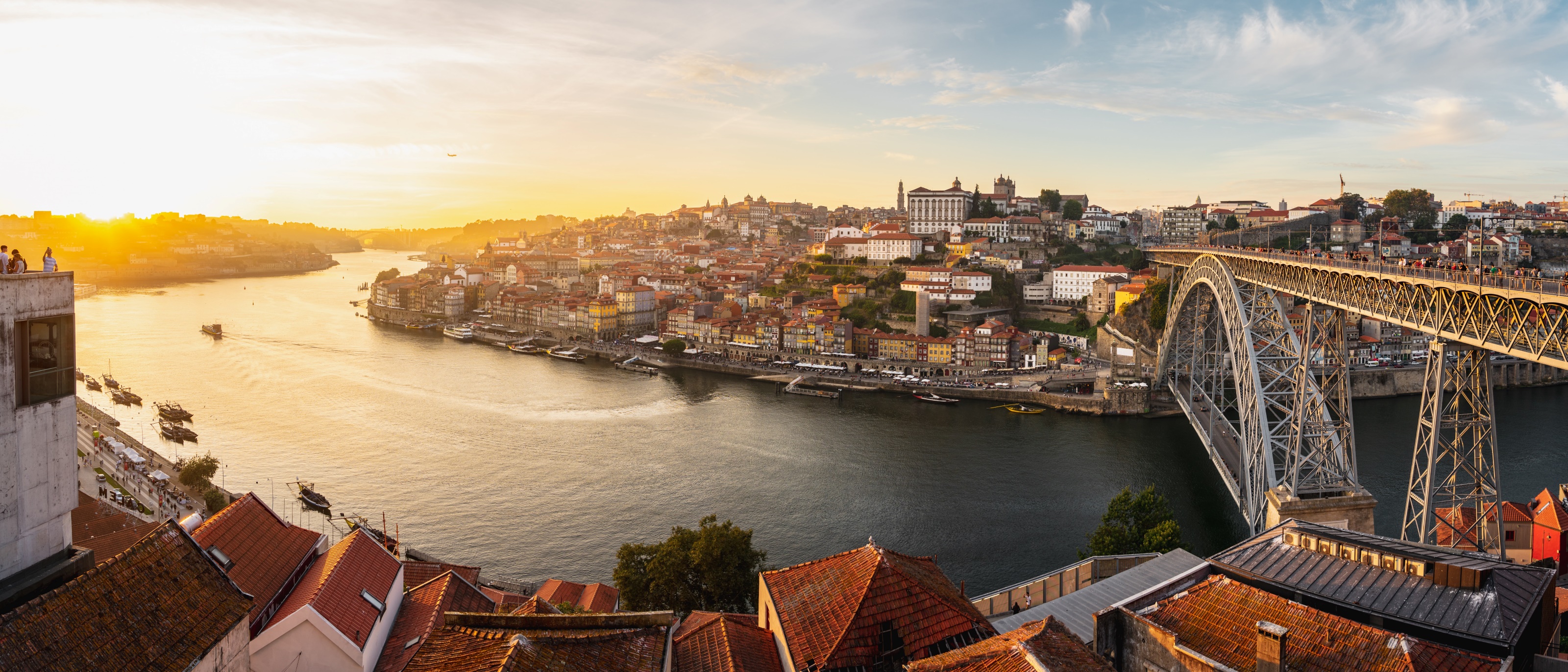
With breathtaking views, the city's urban landscapes are absolutely incredible and the entire riverside area of the city is worth exploring.
The cost of living is relatively affordable compared to other European cities and the quality of life is high, with easy access to public transport and a variety of outdoor spaces.
Education, health and safety are some further attributes that make this city the right place to live.
History & Architecture
History & Architecture
Landscapes
Landscapes
Climate
Climate
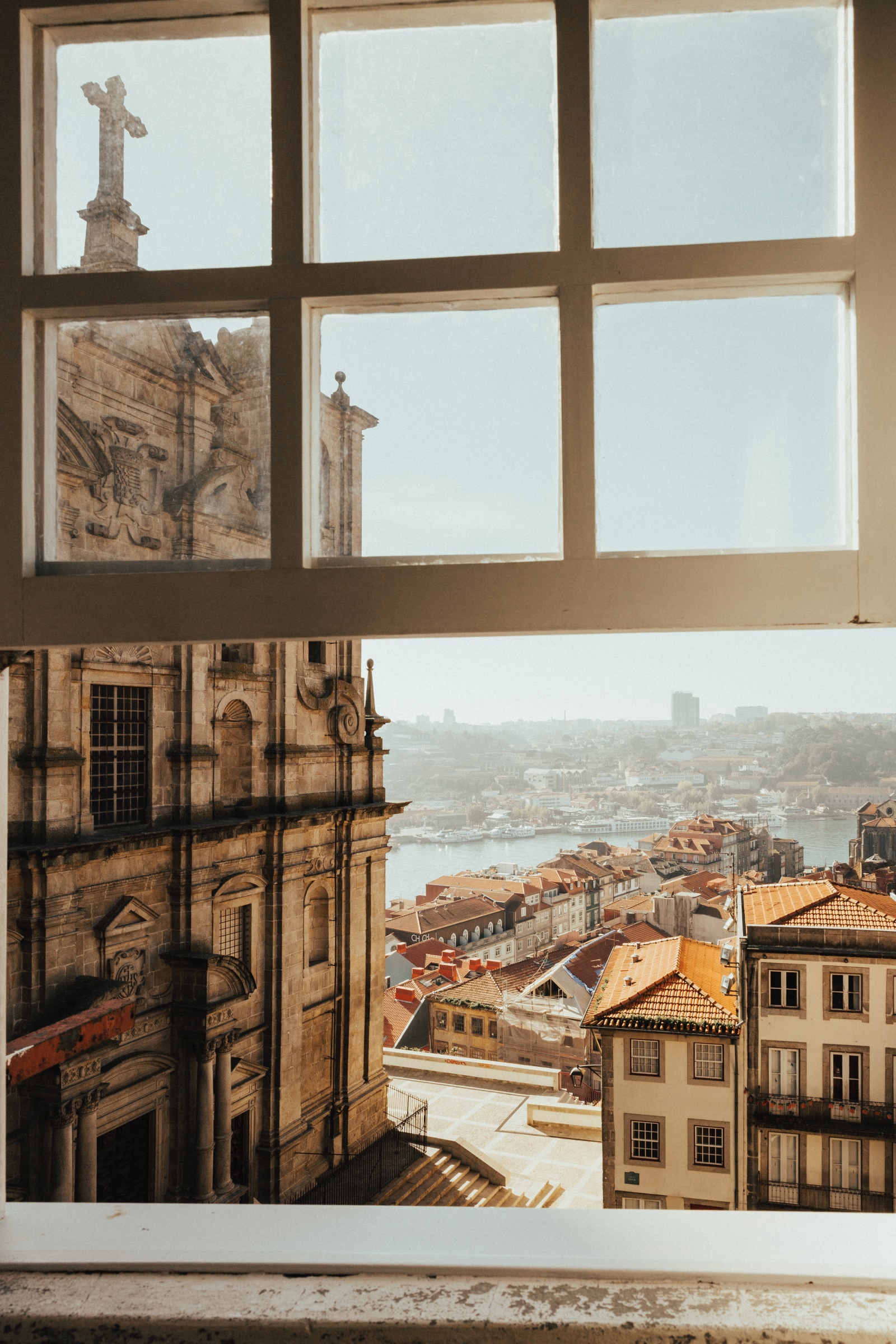
Porto is a city rich in history and that boasts an impressive architectural heritage.
From the Gothic-style Porto Cathedral to the Baroque-style of São Francisco Church, the city offers a variety of styles that reflect its rich past.
The historic centre is a UNESCO World Heritage Site and is home to many important landmarks, including the iconic Torre dos Clérigos and the beautiful São Bento Station, known for its stunning tiles.
The D. Luís Bridge which connects the southern and northern bank of the city, is a landmark not to be missed.
The city's architecture and history are a testament to its enduring cultural importance.
Porto is a city steeped in history and boasts an impressive architectural heritage. From the Gothic-style Porto Cathedral to the baroque-style Church of Saint Francis, the city offers a range of styles that reflect its rich past.
The historic center is a UNESCO World Heritage Site and is home to many important landmarks, including the iconic Clérigos Tower and the beautiful São Bento Train Station, known for its stunning azulejo tilework. The city's architecture and history are a testament to its enduring cultural significance.
Porto is a city rich in history and that boasts an impressive architectural heritage.
From the Gothic-style Porto Cathedral to the Baroque-style of São Francisco Church, the city offers a variety of styles that reflect its rich past.
The historic centre is a UNESCO World Heritage Site and is home to many important landmarks, including the iconic Torre dos Clérigos and the beautiful São Bento Station, known for its stunning tiles.
The D. Luís Bridge which connects the southern and northern bank of the city, is a landmark not to be missed.
The city's architecture and history are a testament to its enduring cultural importance.
Porto's landscape is characterised by its picturesque streets and colourful buildings, which create an authentic and traditional atmosphere.
The city's location along the Douro River and its hills provide breathtaking views and many outdoor spaces to explore.
From the Ribeira district, with its traditional boats and lively restaurants, to the gardens and parks scattered throughout the city, there is always something new to discover.
The mix of historic and modern architecture adds to the city's unique beauty, tirning into a paradise for photographers.
Porto's landscape is characterized by its picturesque streets and colorful buildings, which create a vibrant and charming atmosphere. The city's location along the Douro River and its hills provide stunning views and plenty of outdoor spaces to explore.
From the Ribeira district, with its traditional boats and lively restaurants, to the gardens and parks scattered throughout the city, there's always something new to discover. The mix of historic and modern architecture adds to the city's unique beauty, making it a photographer's paradise.
Porto's landscape is characterised by its picturesque streets and colourful buildings, which create an authentic and traditional atmosphere.
The city's location along the Douro River and its hills provide breathtaking views and many outdoor spaces to explore.
From the Ribeira district, with its traditional boats and lively restaurants, to the gardens and parks scattered throughout the city, there is always something new to discover.
The mix of historic and modern architecture adds to the city's unique beauty, tirning into a paradise for photographers.
The Algarve is famous for its mild and sunny climate throughout the year. With over 3,000 hours of sunshine per year, it is one of the sunniest destinations in Europe. During summer, temperatures can reach up to 30°C, while in winter they rarely drop below 15°C.
These conditions make the region an ideal destination for those seeking a warmer climate and for outdoor activities all year round. Additionally, the favorable climate of the Algarve is an important factor for the production of quality food and wine in the region.
Porto has a Mediterranean climate with mild winters and hot summers, making it a great destination to visit all year round.
During the summer months, temperatures can reach up to 30°C, while in winter, temperatures rarely drop below 10°C.
The city experiences occasional rainfall throughout the year, but it is usually not enough to harm outdoor activities.
The best time to visit Porto is during spring and autumn, when the weather is mild and there are fewer crowds.
Porto has a Mediterranean climate with mild winters and warm summers, making it a great destination to visit year-round. During the summer months, temperatures can reach up to 30°C, while in the winter, temperatures rarely drop below 10°C.
The city experiences occasional rainfall throughout the year, but it's usually not enough to spoil outdoor activities. The best time to visit Porto is during the spring and fall when the weather is mild, and there are fewer crowds.
.
Porto has a Mediterranean climate with mild winters and hot summers, making it a great destination to visit all year round.
During the summer months, temperatures can reach up to 30°C, while in winter, temperatures rarely drop below 10°C.
The city experiences occasional rainfall throughout the year, but it is usually not enough to harm outdoor activities.
The best time to visit Porto is during spring and autumn, when the weather is mild and there are fewer crowds.
Cuisine
Cuisine
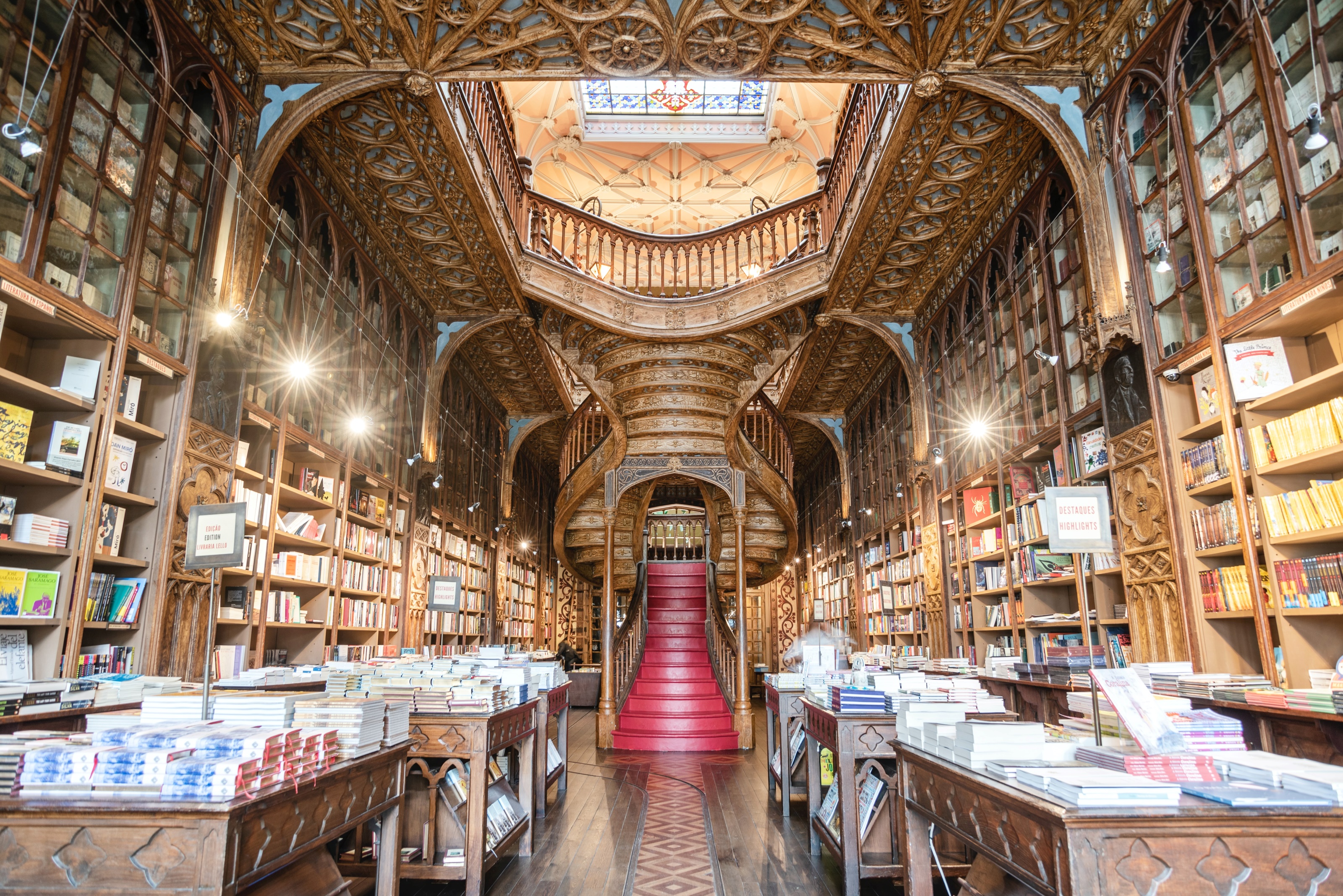
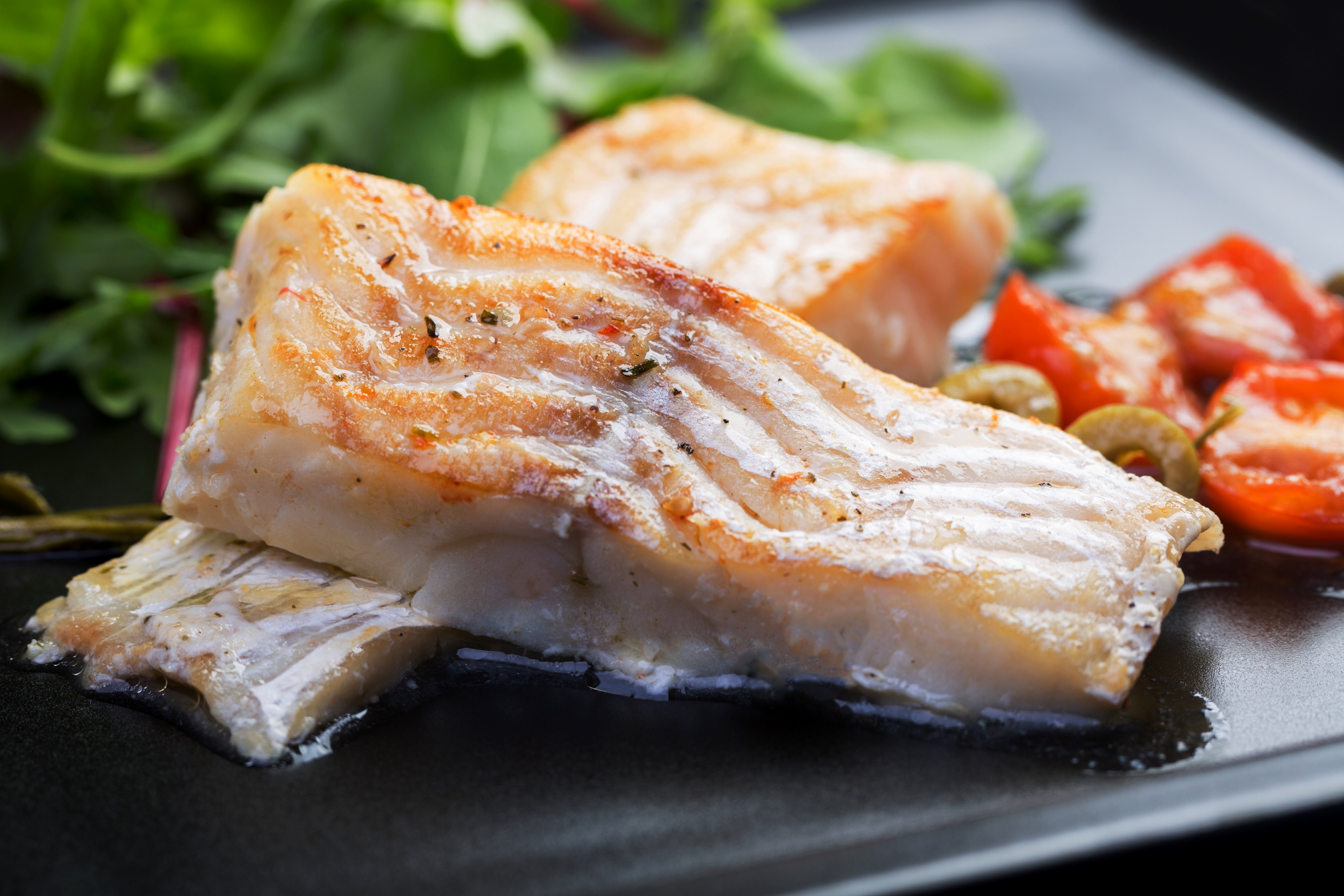
The cuisine in Porto is rich and varied, with typical dishes that include the famous Francesinha, cod, arroz de cabidela, tripas à moda do Porto, among others.
The gastronomic wonders of the city are made up of typical dishes and deserve a dedicated route just to explore them.
Porto is also known for its wines, especially Port Wine, which can be enjoyed in many cellars along the Douro River.
There is a wide variety of restaurants and bars to choose from, from more sophisticated options to typical taverns.
It is a gastronomic experience to suit all tastes and budgets.
The Algarve cuisine is rich and diverse, influenced by local traditions, fresh seafood and produce, and Mediterranean and Arab cultures. Typical dishes include seafood dishes like cataplana and octopus’s rice. Popular desserts include almond cake, fig sweet and honey pudding. The region is also known for producing wines. Local markets are great places to experience authentic flavors, with a variety of fresh fruits, vegetables, cheeses, olive oils, and other products available daily. Restaurants also use local ingredients, making the gastronomic experience even more authentic and tasty.
The cuisine in Porto is rich and varied, with typical dishes that include the famous Francesinha, cod, arroz de cabidela, tripas à moda do Porto, among others.
The gastronomic wonders of the city are made up of typical dishes and deserve a dedicated route just to explore them.
Porto is also known for its wines, especially Port Wine, which can be enjoyed in many cellars along the Douro River.
There is a wide variety of restaurants and bars to choose from, from more sophisticated options to typical taverns.
It is a gastronomic experience to suit all tastes and budgets.
QUALITY OF LIFE
QUALITY OF LIFE
Porto offers a high quality of life, with a vibrant cultural scene and a rich history.
The city boasts impressive architecture, picturesque streets and a variety of outdoor spaces, including the Douro River and its banks. The public transport system is efficient and accessible, making it easy to get around the city.
The cost of living is relatively low compared to other European cities, making it an attractive destination for locals and expatriates alike.

